
Residential Treatment in Los Angeles
Our most structured, primary level of care. Clients live on-site with 24/7 supervision, daily therapy, and psychiatric care for both addiction and mental health.
In-network with most major insurers
Our admissions team verifies your specific benefits and explains exactly what's covered for residential treatment, before you commit to anything.








We do not accept Medi-Cal or Medicare.
Verify my insuranceA typical stay, at a glance
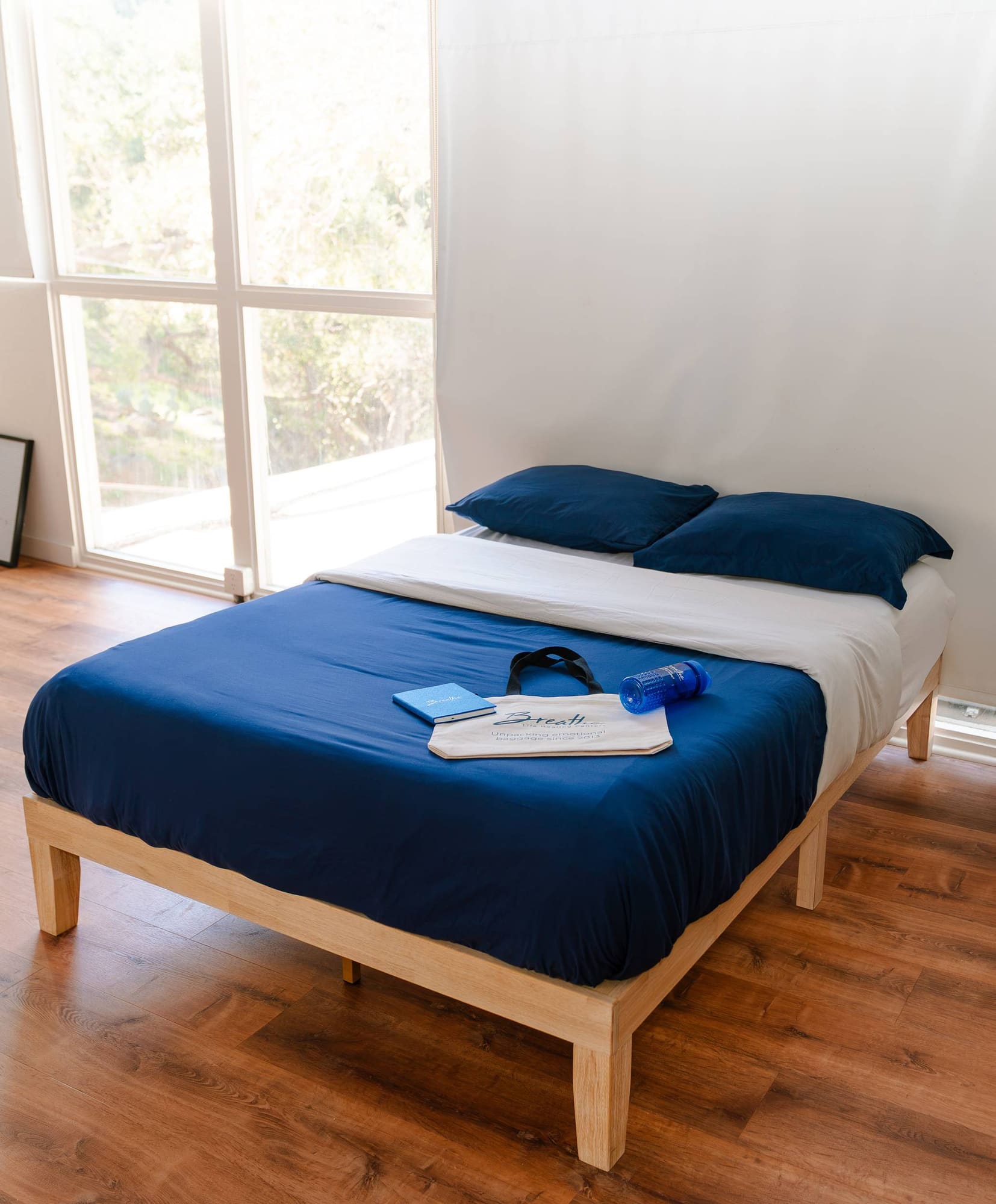
Housing on our Laurel Canyon campus
You live on-site, in community with others who are doing the same work, not in a clinical ward.
A structured daily schedule
Family involved, on your terms
Your care team keeps family honestly informed during your stay. The family program begins when you step down to PHP or IOP, with partners and chosen family welcome.
A planned step-down
Before you leave, we build the next step with you: PHP, IOP, sober living, or outpatient care.
Residential treatment doesn't stand alone
Before Residential
Detox
A safe, clinically monitored start. Our team manages withdrawal around the clock, so your body can safely let go of what it has been depending on before treatment begins in earnest.
See What Medical Detox InvolvesYou are here
Residential Treatment
Our most structured, primary level of care. Clients live on-site with 24/7 supervision, daily therapy, and psychiatric care for both addiction and mental health.
After Residential
PHP, Day Treatment
Full clinical days without a residential stay. The same intensity of care as residential treatment, with evenings spent at home or in transitional living.
See How PHP Day Treatment WorksOngoing support
Intensive Outpatient
Structured treatment that flexes around a life you are already rebuilding. Real clinical support without stepping away from work, school, or family.
What IOP Treatment InvolvesWhy choose Breathe for residential care
Residential, Whole-Person Care
A private, inclusive, and affirming space to live and heal on our Laurel Canyon campus, not just a bed and a schedule.
Chosen Family Welcome in Programming
Once clients step down to PHP or IOP, family therapy and an in-person 3-Day Family Workshop, with room for chosen family, not only family of origin.
Staff Who've Lived It
Many of our team members, from the front desk to clinical leadership, have personal recovery experience, so you're not only being treated by people who studied it from the outside.
Rated 4.1 on Google
 4.1 · 155 Google reviews
Every journey looks different, yours will be built around exactly what you need.


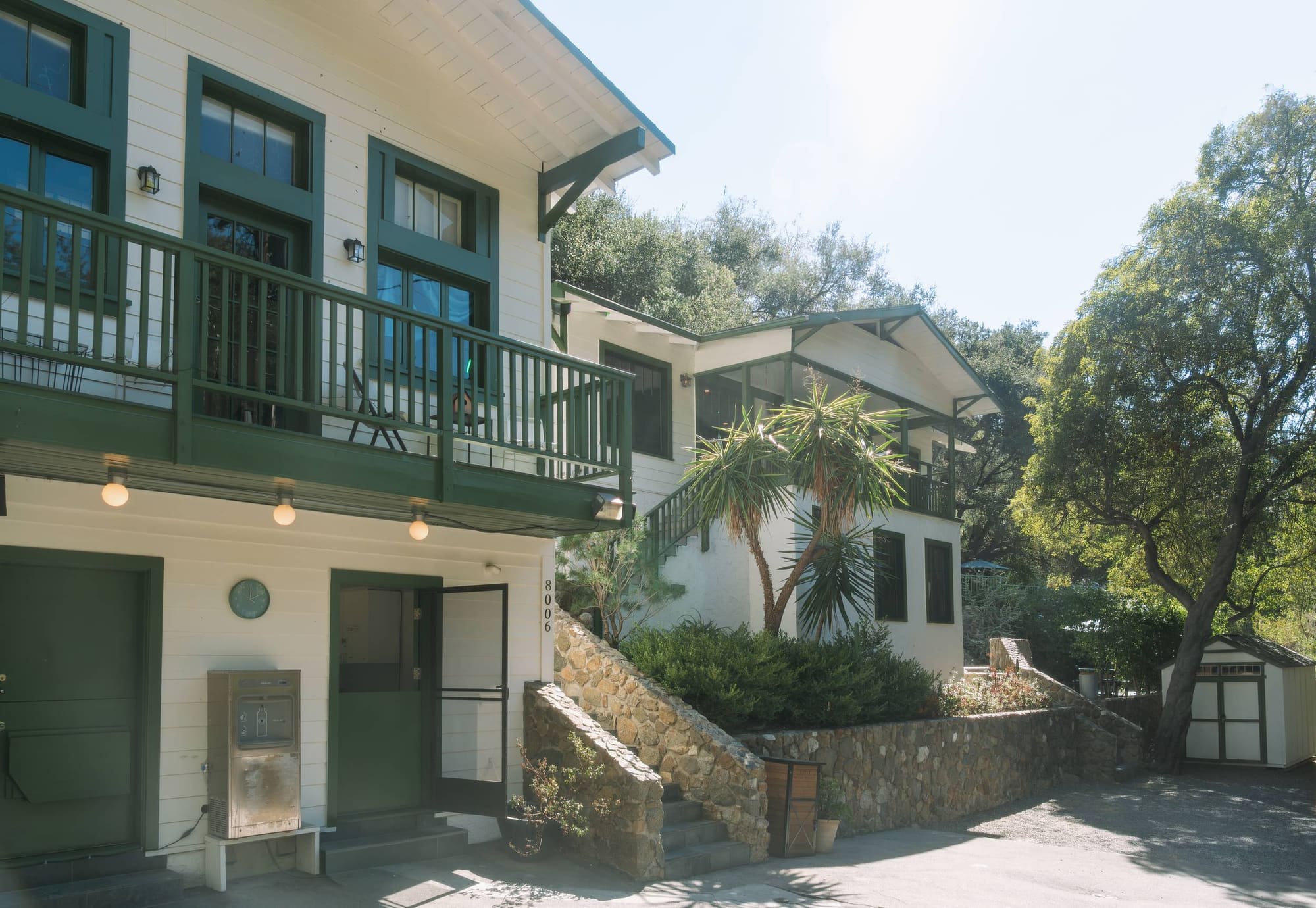
Our location
A secluded campus in the heart of Laurel Canyon, close enough to reach, private enough to heal.
Questions people ask about residential treatment
Straight answers about admission, length of stay, and what a day at Breathe actually looks like.
What are the admission criteria for residential treatment?+
Your clinical team assesses your specific situation, including whether medical detox is needed first, to determine if residential care is the right starting point for you.
How long does residential treatment usually last?+
Length of stay is different for everyone. Your clinical team reviews your progress throughout treatment and adjusts your plan with you, so you stay as long as you need.
What does a typical day in residential treatment look like?+
Mornings start with medication and time for the gym, meditation, or reading. Then come four 90-minute groups, with short breaks and an hour for lunch, wrapping at 4 pm. Sessions with your therapist and case manager fit around groups. After that there's free time, a community meeting, dinner, and an evening meeting or time with the community, then evening medication and lights out.
What happens on the first day of residential treatment?+
After intake, you meet with our nurses first. Staff check your bags with you, help you settle in, and introduce you to the program, your therapist, and your peers. Depending on how you feel, you can rest or start joining the community and groups at your own pace. Nobody is pushed into a full schedule on day one. Over the first few days, the priority is helping you stabilize physically and emotionally and start to build a sense of safety, trust and connection.
Can I transfer to residential treatment from a hospital or another program?+
Yes. A transfer is handled the same way as any admission to Breathe. With the right releases of information, we coordinate with the hospital or program first, reviewing your treatment history, medications, current needs and goals so your care continues without a gap. You then complete an intake, meet with the nurses, and are introduced to the program, then settle in at a pace that fits how you're feeling. If you're unsure whether you're ready to move from where you are now, call us and we'll talk it through with you.
What therapies are used in residential treatment?+
Residential treatment at Breathe draws on CBT, DBT, motivational interviewing, mindfulness, and psychoeducation, alongside process groups, skills-based and wellness groups, yoga, breathwork, and sound baths. The focus is helping you reconnect with your body, stay regulated, and build the stability needed for the deeper trauma work that comes later in treatment.
What if I'm also dealing with depression, anxiety or trauma?+
In residential, the first priority is helping you feel heard and stay regulated. Your therapist won't push too hard early on. Trust comes first, along with clear, honest boundaries, so you can start to hear what you need and share what matters. Deeper trauma work builds from there. Read more about how we treat substance use with depression, anxiety or trauma.
Is it normal to feel low in the first weeks of residential treatment?+
Yes. Many people go through post-acute withdrawal during residential treatment, which can affect your mood and how you feel about yourself and where you are. There is often some grief, too, for the substances and the life that came with them. It's a normal part of early recovery, and our clinical team helps you through it rather than expecting you to push past it.
How do you prepare people for life after residential treatment?+
Throughout treatment you build the skills for staying in recovery outside, including relapse prevention, coping skills, emotional regulation, healthy relationships and connection. Before you step down or leave, your team works with you on an aftercare plan built around your needs. That can mean the next level of care, sober living, an outside therapist and psychiatrist, our alumni offerings, a program with case management and life skills, or a sober companion.
Do I need to complete detox first?+
In many cases, yes, if you're medically dependent on a substance. Detox is usually the first level of care people move into before, or directly into, residential treatment.
Will I be in a clinical, hospital-like environment?+
You live on-site in community with others doing the same work, in housing on our Laurel Canyon campus, not a clinical ward.
Who is welcome at Breathe?+
Clients of every background. Breathe offers LGBTQIA+ affirming care at every level of treatment, and partners and chosen family are welcome in the family program once clients step down to PHP or IOP.
Is residential treatment covered by insurance?+
In most cases, yes. We're in-network with most major providers and verify your specific benefits before you commit to anything. We do not currently accept Medi-Cal or Medicare. If that's your coverage, call us, we'll tell you straight away and point you toward a resource that can help.